




Moving near Southfields Tube: access and parking tips
Posted on 14/05/2026
Moving close to Southfields Tube sounds straightforward on paper. In real life, though, the last few metres can make the biggest difference. Tight residential streets, busy school-run traffic, permit zones, and the simple problem of where a van can pause without causing a scene all need a bit of thought. If you are planning a move near Southfields Underground station, a little local planning can save you a lot of stress on the day.
This guide breaks down the practical side of Moving near Southfields Tube: access and parking tips in a way that actually helps. You will find a clear step-by-step approach, realistic advice on parking and access, common mistakes to avoid, and a few local pointers that make moving day feel less like a scramble. Truth be told, the best moves near stations are rarely the most hurried ones.
For a smoother overall move, it also helps to think about preparation beyond the kerbside. Packing properly, decluttering early, and knowing when to book the right vehicle all matter. If you want a broader moving plan alongside this local access advice, you may also find our guides on packing techniques for house moves and decluttering before moving useful.
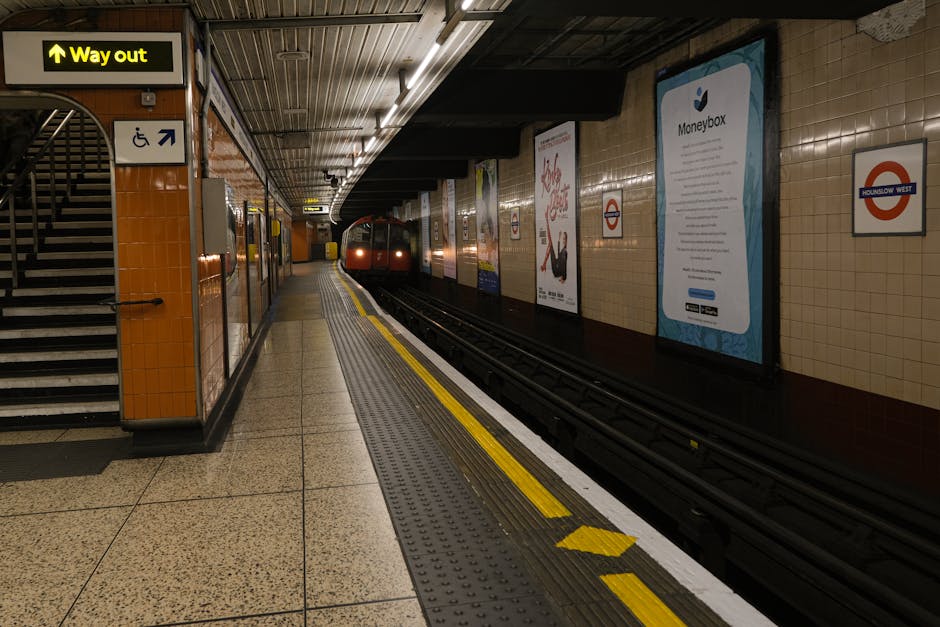
Why Moving near Southfields Tube: access and parking tips Matters
Southfields is a busy, well-connected corner of southwest London. That is good news for daily life, but it can be a bit of a headache on moving day. Streets around Underground stations tend to see a mix of commuters, delivery vehicles, school traffic, and the occasional impatient driver who wants to nip in and out. Add a removal van to that picture and, well, you can see why access and parking deserve proper attention.
Getting this part right matters for three big reasons. First, it affects how quickly your move happens. If your van has to park too far away, every box and piece of furniture becomes a longer carry. Second, it affects safety. A blocked pavement, a van left half on the road, or repeated awkward lifting across a narrow entrance can turn a simple move into a risky one. Third, it affects relationships with neighbours and building managers. Nobody enjoys a moving day that clogs the street or leaves the front path impassable for an hour.
There is also a financial angle. Access problems can mean extra labour time, extra waiting time, or a second trip if the first load cannot be handled efficiently. That does not always happen, of course, but it is one of those avoidable problems that shows up when planning is rushed. A ten-minute check before move day can save an hour of hassle later. To be fair, that is one of the cheapest wins in the whole process.
If your move involves bulky items, awkward sofas, or stairs, planning becomes even more important. You may want to pair this local access planning with guidance from our furniture removals service in Southfields or read our practical advice on protecting sofas during a move.
How Moving near Southfields Tube: access and parking tips Works
In simple terms, the process is about mapping the route from van to front door before you start lifting anything. Around Southfields Tube, that usually means checking how the street flows, whether the property has a forecourt or dropped kerb, whether there are parking restrictions, and how long the walk from the vehicle to the entrance actually is. Sounds basic, but this is where a lot of moves go sideways.
The key idea is to reduce unknowns. A removal van needs somewhere safe to stop, even if only briefly. The property may have a shared drive, a narrow mews-style access point, or no off-street parking at all. In some cases, the best option is to arrange a controlled unload directly outside the property. In others, it is smarter to plan a short carry from a legal parking bay and use trolleys or additional helpers. Different move, different answer.
Parking around a Tube station often needs a practical balance between convenience and compliance. You are not just looking for the nearest open space. You are looking for a spot that will work for a large vehicle, will not block access, and will not create problems with neighbours or enforcement. The right setup often comes down to timing as much as location. Early morning, for example, can be calmer than the middle of the day, though every street has its own rhythm.
Good access planning also includes the building itself. Flats near stations can bring lift bookings, entry codes, concierge procedures, or narrow communal hallways. If that sounds familiar, our flat removals Southfields page covers the realities of apartment moves, while our insurance and safety information is worth checking for extra peace of mind.
Key Benefits and Practical Advantages
Doing the access and parking part properly does more than save time. It gives the whole move a better shape. You know where the vehicle is going, what the carry distance is, and how the day is likely to unfold. That kind of clarity matters when you are already juggling keys, boxes, paperwork, and that one drawer full of random cables no one wants to deal with.
- Faster loading and unloading: Shorter carry distances usually mean fewer delays and less back-and-forth.
- Lower risk of damage: Fewer awkward turns, fewer bumps against walls, and fewer last-minute lifts.
- Less stress for neighbours: A cleaner parking plan keeps pavements, entrances, and driveways clearer.
- Better use of labour: Movers can focus on careful handling rather than long, inefficient walks.
- Smoother timing: When parking is sorted, the rest of the move tends to feel more controlled.
There is a quieter benefit too: confidence. When you have a plan for access, you stop guessing. You can focus on the things that actually need your attention, like which room gets unpacked first and whether the kettle is easy to find. Small win, but a proper one.
If you are working to a tight window, perhaps because of a handover time or a same-day changeover, then a service like same-day removals in Southfields may be worth exploring, especially when parking needs to be handled efficiently.
Who This Is For and When It Makes Sense
This advice is useful for anyone moving within walking or driving distance of Southfields Tube, but some situations benefit more than others. If you are in a ground-floor flat with easy street access, you may only need a light touch. If you are in a top-floor apartment with no lift, a controlled parking plan becomes much more important. Lets face it, stairs and awkward parking are never a magical combination.
It is especially relevant for:
- People moving into or out of flats near Southfields station
- Families shifting house contents on busy residential roads
- Students moving in term time, when streets can feel busier than expected
- Office teams relocating to or from nearby commercial premises
- Anyone with bulky furniture, fragile items, or limited time on the day
Students and renters often underestimate how much access matters. One person with a few boxes can usually adapt on the fly. A van full of furniture, not so much. If that sounds familiar, our student removals service and house removals support may be useful depending on your move size.
This is also for people who want less drama, frankly. Not every move needs a full-scale military operation, but a little planning goes a long way. A calm start usually leads to a calmer finish.
Step-by-Step Guidance
Here is a straightforward way to plan access and parking near Southfields Tube without overcomplicating it.
- Check the exact property access. Look at the front entrance, any side passage, shared hallway, loading point, or garden gate. Measure if you can. A tape measure beats a guess.
- Map the parking options. Identify whether there is off-street parking, resident bays, pay-and-display spaces, or a place where a van can stop legally and safely for loading.
- Look at time-of-day pressure. School drop-off, commuter rush, and weekday deliveries can all change what is possible. A space available at 9 p.m. may be gone by 8 a.m.
- Decide on the vehicle size early. A larger van can reduce trips, but only if it can access the street and manoeuvre safely. Sometimes a smaller vehicle is more practical in tighter roads.
- Prepare a backup plan. If the nearest parking spot is taken, where will the van go next? A plan B avoids standing around and hoping for the best.
- Tell movers about obstacles. Steps, narrow hallways, low branches, bollards, shared entrances, and awkward corners all matter. Surprises are expensive in moving terms.
- Keep the path clear. On the day, move bins, bikes, planters, and loose items out of the way if you can do so safely.
- Use the right packing approach. Heavier items should be ready to load first, and fragile boxes should be easy to identify. Our guide to seamless packing techniques can help keep the process tidy.
A small real-world tip: if you are moving from a flat above street level, walk the route from van to door once before anything is carried. You will quickly spot the awkward bit, the tight corner, the low doorway, the bit where two people cannot pass comfortably. That five-minute walk can save a lot of groaning later on.
Expert Tips for Better Results
Good access planning is not just about the parking space. It is about making the whole movement of items smoother. Here are the details that experienced movers tend to care about.
1. Aim for the shortest safe carry, not just the closest space
Sometimes the absolute nearest spot is awkward to use because of traffic flow, a corner, or a narrow lane. A spot that is slightly farther away but easier to reach can actually be better. The right choice is the one that keeps people and property safe.
2. Protect the items you move most often
Sofas, beds, tables, and mirrors often get handled early and often. Using covers, wraps, and clear labelling helps keep the move calm. For sofa-specific advice, see our article on expert sofa protection tips, and for larger bedroom pieces, our bed and mattress moving guide is a solid read.
3. Keep a buffer in the schedule
Parking in London is not always neat and predictable. A short delay because a bay is occupied or a neighbour is unloading can happen. Build a bit of slack into the plan so one small issue does not throw off the whole day.
4. Think about the return journey too
If you are leaving the old property and moving into the new one on the same day, parking at both ends matters. It is easy to focus on the destination and forget the departure point. The better move is the one that works both ways.
5. Keep documents and keys close
It sounds obvious, but keys, permits, building instructions, and phone numbers should be on hand, not buried in a box marked "miscellaneous." You do not want the van waiting while someone digs around for a fob in the wrong coat pocket.
When people ask what makes moving easier, the answer is usually not dramatic. It is the steady stuff: planning, communication, and a few sensible shortcuts that do not cut corners. That is where the comfort comes from.

Common Mistakes to Avoid
Most moving problems near Southfields Tube are not mysterious. They are ordinary planning mistakes, repeated often enough to become expensive. The good news? They are avoidable.
- Assuming street parking will be easy: It might be fine. It might not. Always check before move day.
- Leaving loading arrangements until the morning: By then, your options are limited and your stress is up.
- Ignoring building rules: Some flats have access windows, lift bookings, or entry instructions that need advance notice.
- Underestimating carry distance: A short-looking walk can become a long one with heavy boxes.
- Booking the wrong van size: Too small creates extra trips; too large can create access problems.
- Blocking the pavement: Even briefly, this can cause frustration and may create practical or compliance issues.
- Forgetting about weather: Rain, icy surfaces, or dark evenings change how carefully you need to load and unload.
One of the sneakiest mistakes is not testing the route with your biggest item in mind. A chest of drawers that fits through the front door is lovely. Getting it around the hallway bend? That is where reality shows up.
If you want to avoid last-minute chaos, it also helps to tidy up the home beforehand. Our guide to cleaning before moving can make the handover much smoother.
Tools, Resources and Recommendations
You do not need fancy gear to organise access and parking well, but a few simple tools make a real difference.
- Measuring tape: Useful for checking doorway widths, hallway turns, and larger furniture sizes.
- Phone maps and street view: Handy for getting a rough sense of the road layout before you arrive.
- Parking notes: Save details of any permit requirements, building instructions, or loading instructions in one place.
- Trolleys and straps: These reduce strain and help with longer carries or heavier loads.
- Labels and markers: They keep boxes organised, especially when unloading from a distance.
- Protective wraps: Blankets, shrink wrap, and covers can save furniture from scrapes and rain.
For items that need special handling, it can be worth looking at specialist support rather than trying to improvise. For example, pianos and awkward heavy pieces often need careful planning, and our article on why DIY piano moving is risky is a useful reality check. If you need dedicated support, see our piano removals in Southfields.
For broader service planning, our services overview and man with a van Southfields pages explain the kinds of moving support available when a local move needs a more flexible setup.
Law, Compliance, Standards, or Best Practice
Parking and access around London are shaped by local rules, road markings, and common-sense safety expectations. The exact requirements vary by street, borough, and property type, so it is wise to check the situation locally rather than relying on assumptions. If there is resident-only parking, loading restrictions, yellow lines, or a controlled parking zone nearby, those details matter before you book a vehicle.
Best practice is simple: use legal parking where possible, avoid blocking driveways or crossings, keep pavements passable, and communicate clearly with your moving team or service provider. If you are unsure whether a particular loading setup is acceptable, it is better to ask in advance than to improvise on the day. That is especially true near busy transport links where traffic flow is already under pressure.
For customers using professional movers, it is also sensible to review safety and service terms before the job begins. Our pages on health and safety policy, terms and conditions, and payment and security are there to help set expectations clearly. If you have questions about service arrangements, contact us here and ask before moving day gets close.
One practical note: local access rules can change, and parking signs can be easy to miss when you are busy carrying boxes. Slow down and read them properly. It is boring advice, maybe, but it saves headaches.
Options, Methods, or Comparison Table
Different properties near Southfields Tube call for different approaches. Here is a simple comparison to help you choose a sensible method.
| Method | Best for | Advantages | Watch-outs |
|---|---|---|---|
| Direct street-side unload | Homes with legal loading space close to the entrance | Fastest option, shortest carry distance | Needs careful timing and good awareness of parking rules |
| Short carry from a nearby bay | Busy streets with limited stopping space | More flexible, often easier to arrange legally | Requires more time, trolleys, and energy |
| Small vehicle plus multiple trips | Narrow roads or tricky access | Can fit where larger vans struggle | More trips, longer overall move time |
| Planned service with larger van | House moves, heavy furniture, or larger flat contents | Efficient loading, fewer journeys | Needs confirmed access and parking space |
There is no single best answer here. The right method depends on the street, the property, the volume of belongings, and how much lifting you want to do. A narrow mews and a first-floor flat are a different puzzle from a family house with a driveway. Simple as that.
Case Study or Real-World Example
A typical Southfields move might look like this: a couple is leaving a two-bedroom flat a short walk from the Tube station. The building has no dedicated parking, but the street does have resident bays and occasional spaces near the entrance. On the morning of the move, a large van would not have been the smartest option because the best bays were already busy and the turning space was tight.
Instead, the team chose a slightly smaller vehicle and planned the load order in advance. Sofas and the mattress came out first, followed by labelled boxes and smaller furniture. The mover kept a clear path through the communal hallway, and the residents were informed the day before so no one got caught off guard. It was not flashy, not dramatic, just sensible.
The result? Less waiting, fewer awkward lifts, and no need to carry items half a street because the parking had been guessed at rather than checked. That kind of move does not make a big story, which is usually a good sign. The best moving days are often the ones that feel almost boring by the end.
If the move had involved more bulky items or a tighter access route, a broader removal plan might have been helpful too. Our removal services in Southfields page is a good place to compare support options, and for business relocations the office removals service can be more relevant than a standard domestic move.
Practical Checklist
Use this checklist a few days before moving day. A quick run-through here can prevent those annoying "we should have checked that" moments.
- Confirm the full address and entrance used for loading/unloading
- Check whether the property has any parking restrictions nearby
- Ask about permits, visitor bays, or building access rules
- Measure large furniture and note any awkward turns or stairs
- Decide whether a small or large van is the better fit
- Prepare a backup parking option in case the nearest space is taken
- Keep keys, codes, and contact numbers easily accessible
- Label fragile or heavy boxes clearly
- Move bins, bikes, and other obstacles out of the way if possible
- Check the weather and prepare covers if rain is likely
- Tell neighbours or building managers if access might be briefly disrupted
- Have a trolley, straps, or extra hands ready for longer carries
Expert summary: Near Southfields Tube, the winning strategy is usually not "find any space and hope." It is "choose the right vehicle, plan the parking legally, shorten the carry, and keep the route clear." That simple shift makes a move feel more controlled from the first box to the last.
Conclusion
Moving near Southfields Tube becomes much easier when you treat access and parking as part of the move itself, not an afterthought. A bit of local awareness, some realistic timing, and a clear plan for where the van can stop will reduce pressure straight away. It also helps protect your belongings, your time, and your nerves. And, honestly, that is what most people want from moving day.
Whether you are moving a flat, a family home, or just a few heavy items, the basics remain the same: check the street, plan the carry, and keep the day simple where you can. If you want support that fits the local area and the realities of London access, working with an experienced team can make the process much less stressful.
Get a free quote today and see how much you can save.
When the van is parked well and the path is clear, the whole day feels lighter. That small bit of calm is worth a lot.