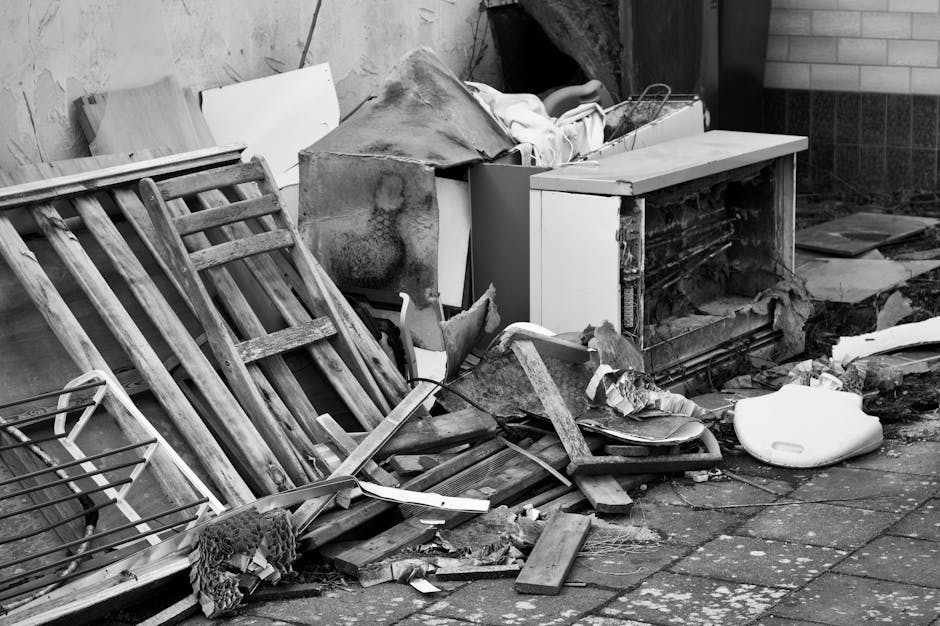




Bulky item collection options in Southfields SW18
Posted on 11/06/2026
Bulky item collection options in Southfields SW18: a practical local guide
If you've got an old sofa blocking the hallway, a mattress leaning awkwardly in the spare room, or a freezer that has somehow become a permanent resident, you're not alone. Bulky item collection options in Southfields SW18 can feel straightforward at first, then suddenly messy: access issues, lifting risks, parking constraints, and the question everyone asks at some point, "How do I get this gone without turning the whole day into a faff?"
This guide walks through the main ways to handle large-item disposal or collection in Southfields, how the process usually works, what to watch out for, and how to choose the option that actually fits your timeline, property layout, and budget. We'll keep it practical, local, and honest. Because let's face it, bulky items are easy to ignore until they're right in the way.
Why Bulky item collection options in Southfields SW18 Matters
Bulky item removal is not just about clearing clutter. In Southfields, it often solves a very immediate problem: a room you need to use again, a move-out deadline, a rented flat inspection, or a storage area that has become unusable. A bulky item sitting in a hallway can be more than inconvenient; it can be a trip hazard, a fire escape obstruction, or simply a daily source of stress.
There's also a local reality to consider. Southfields has its share of flats, maisonettes, narrow staircases, shared entrances, and limited on-street space. That means the "just take it outside" approach rarely works well. Sometimes it's not the size of the item that causes the issue, but the route out of the property. A wide wardrobe may be impossible to turn on a landing. A sofa may need to be angled through a tight doorway. A fridge-freezer may be far heavier than it first looks.
That is why choosing the right collection method matters. A good option saves you time, protects your home from scrapes and dents, and reduces the chance of injury. It can also support recycling, reuse, or responsible disposal instead of sending everything straight to waste. If you are already decluttering ahead of a move, the guidance in a comprehensive guide to decluttering before moving can help you decide what actually needs to go before collection day.
Key point: bulky item collection is really a logistics problem, not just a clearance problem. The better you plan the removal route, the easier the whole thing becomes.
How Bulky item collection options in Southfields SW18 Works
Most bulky item collections follow a similar pattern, even if the exact service differs. First, you identify the item or items, then you decide whether they need uplift from inside the property, kerbside collection, or full removal from a specific room. After that, timing, access, and disposal destination are arranged.
For many households, the process starts with a quick assessment of what needs moving. A single sofa is very different from a full set of bedroom furniture, and a washing machine is a different challenge again. Some items may need dismantling before they can be safely carried. Others, like pianos, should be handled with particular care; if you want to understand why specialist handling matters, it is worth reading the realities of DIY piano moving and why to avoid.
In practical terms, there are usually three common collection routes:
- Curbside collection: items are moved to an agreed spot outside the property for pickup.
- Inside collection: the team enters the property and removes the item from the room where it sits.
- Full-service removal: the item is lifted, carried, loaded, and taken away, sometimes alongside other furniture or household items.
Which route makes sense depends on access, weight, urgency, and whether you want any help with dismantling or packing. If the item is awkward or upholstered, protecting surfaces matters too. For example, if your sofa is being shifted through a tight Southfields hallway, you may find the tips in secure your sofas future with expert advice surprisingly useful before anyone even picks it up.
There can also be a timing element. Same-day help is sometimes needed when a sale completion overruns or a tenancy ends sooner than expected. In those situations, a same-day removals Southfields option may be the difference between a smooth finish and a very stressful afternoon. Not ideal, obviously, but very real.
Key Benefits and Practical Advantages
There are several reasons people choose a dedicated bulky item collection option rather than trying to manage it themselves. Some are obvious. Others only become obvious after the first shoulder twinge or corridor scuff mark.
- Less physical strain: heavy lifting is tiring, and one awkward twist can cause more trouble than the item is worth.
- Better protection for your property: stair rails, walls, flooring, and doors are all easier to damage than people expect.
- Faster clearance: once the right team, vehicle, and route are in place, bulky items disappear quickly.
- More suitable for flats and shared buildings: Southfields properties often have access constraints, so expert handling matters.
- Improved recycling and reuse outcomes: items can be sorted more thoughtfully instead of being dumped with no plan.
There is also peace of mind. A good collection service removes the "Can I really move this?" question from your day. You know who is lifting, what is being removed, and roughly how long it will take. That sounds simple, but the calm it brings is massive.
For larger home clearances, it often helps to think beyond the single item. If one bulky piece is going, there may be a bed frame, mattress, old chest of drawers, or even an inactive freezer waiting in the wings. In those cases, combining the job with furniture removals in Southfields or planning storage with storage in Southfields can make the whole process cleaner and less fragmented.
Who This Is For and When It Makes Sense
Bulky item collection is useful for a wide range of people in Southfields SW18. It is not only for people moving house. In fact, many requests come from everyday life scenarios that don't look dramatic at all until the item has to be moved.
- Tenants moving out who need to clear a sofa, bed, wardrobe, or appliance before inventory.
- Homeowners refurbishing and wanting to remove old furniture before new pieces arrive.
- Flat dwellers with awkward access, where carrying large items down stairs is tricky.
- Students who are leaving furnished accommodation and need a quick, affordable collection option.
- Offices replacing desks, chairs, shelving, or IT furniture.
- Anyone with one extremely awkward item such as a piano, exercise bike, American-style fridge, or oversized wardrobe.
If you are moving in or out of a smaller property, the situation can become even more layered. A flat move often means tight turns, restricted parking, and a schedule that leaves little room for mistakes. That is one reason a flat removals Southfields service can sit naturally alongside bulky item collection. The same access planning tends to help both.
Sometimes the sensible choice is to combine collection with a broader moving service. If you are juggling boxes, furniture, and a time window that keeps shrinking, a man with a van in Southfields or a man and van Southfields arrangement can provide a more flexible way to clear the lot in one go.
Step-by-Step Guidance
If you want the process to run smoothly, a little preparation goes a long way. Here is a simple step-by-step approach that works well in real life, not just on paper.
- Identify every item to be collected. Be precise. "Old bedroom stuff" is not enough when a team needs to plan lifting and vehicle space.
- Check access in and out. Measure doorways if needed, note stairs, lifts, parking restrictions, and any tricky corners. Southfields streets can be less forgiving than people expect.
- Separate reusable items from waste. If something could be donated or sold, decide that before the collection day. Once it is loaded, the decision is usually gone.
- Look at dismantling needs. Beds, wardrobes, shelving, and some sofa frames may need partial dismantling. The article professional tips for seamlessly moving bed and mattress is helpful here because the same logic often applies to other oversized items.
- Protect the item and the property. Blankets, covers, and floor protection reduce marks and scratches. Small thing, big difference.
- Book the right option. Choose between uplift-only, van collection, or a fuller removal service depending on the job.
- Prepare the route. Move smaller objects out of the way and keep corridors clear. You do not want to be stepping over shoes, boxes, and plant pots while carrying a wardrobe.
- Confirm the final handover. Make sure you know what will be taken, what will remain, and whether any proof of collection is needed.
A quiet but important tip: if you suspect parking will be difficult, deal with that early. Southfields can be straightforward one day and awkward the next. If your collection involves a van stopping close to the property, it helps to think ahead using guidance like moving near Southfields Tube access and parking tips or Southfields Village moving guide narrow streets permits. They are moving-focused, yes, but the access lessons carry across very neatly.
Expert Tips for Better Results
Here is where a bit of lived experience helps. A bulky item job often goes well not because it is easy, but because the awkward bits were spotted before the team arrived.
- Take photos of the item and access points. Stairs, doors, and side passages all matter.
- Clear the path completely. Even one small basket or bin can make carrying a large object more fiddly than it should be.
- Empty drawers and shelves. People forget this constantly. Then the wardrobe feels twice as heavy and a bit wobbly.
- Keep screws, fittings, and cables together. If the item is being dismantled or reassembled later, a labelled bag saves a headache.
- Plan for surfaces. Wood floors, painted walls, and narrow bannisters are common damage points.
- Choose timing carefully. If you can avoid the busiest part of your day, do it. A quiet morning often works better than a rushed evening slot.
There is also value in decluttering before collection, not after. It is easy to keep "just in case" items around longer than necessary. Truth be told, most people do. But once you start separating useful things from dead weight, the whole room feels lighter.
If your bulky item is part of a larger household clear-out, the surrounding jobs matter too. A mattress that has seen better days may need special handling, and the same goes for deep cleaning after furniture removal. For example, simple steps for a thorough home cleaning before moving can be useful when an item leaves behind dust lines, marks, or hidden debris.
Common Mistakes to Avoid
Most problems with bulky item collection are avoidable. The challenge is that they look small right up until they become annoying. Or expensive. Or both.
- Underestimating the size or weight. "It's just a sofa" is famous last words in this business.
- Forgetting access constraints. A clear path inside does not always mean a clear path outside.
- Leaving parking until the last minute. A van that cannot stop close enough to the property creates extra carrying distance and extra stress.
- Not deciding what stays and what goes. This causes confusion, especially in shared homes or family properties.
- Trying to move dangerous loads alone. Heavy lifting is exactly where people get overconfident. Not a great plan.
- Mixing waste with reusable items. Once mixed, sorting becomes much harder.
One simple example: a client may call about removing a bed and mattress, then at the doorstep realise the headboard is bolted on, the mattress is still in a plastic cover, and the hallway is full of recycling bags. That is not a disaster, but it does slow things down. A little prep avoids the wobble.
If you are tempted to do everything yourself, read the ultimate guide to lifting heavy objects alone first. It is a useful reminder that "possible" and "sensible" are not always the same thing.
Tools, Resources and Recommendations
You do not need specialised equipment for every bulky item job, but the right basics can make a noticeable difference. Even one moving blanket or a proper dolly can change the mood of the task from chaos to controlled.
| Tool or resource | What it helps with | Best for |
|---|---|---|
| Furniture blankets | Protecting sofas, tables, and doorframes | Upholstered or painted items |
| Straps or lifting aids | Keeping bulky items stable while carrying | Long carries and stair movement |
| Dolly or sack truck | Reducing manual lifting | Fridges, boxes, and heavier furniture |
| Labels and tape | Separating keep, remove, and dismantle parts | Multi-item clearances |
| Clear floor plan | Planning the route out of the property | Flats, stairwells, narrow hallways |
For related moving support, it is worth looking at the broader service information on services overview and removal services Southfields. Those pages help place bulky item collection in the bigger picture, especially if the job sits alongside furniture, household goods, or office pieces.
If you need packaging materials before a collection or move, packing and boxes Southfields can be a handy reference point. And if you are working to a bigger moving budget, reviewing pricing and quotes early is usually a smart move. Not glamorous, but useful.
Law, Compliance, Standards and Best Practice
Bulky item collection involves more than lifting and loading. In the UK, waste handling, manual handling, property access, and responsible disposal all carry expectations that service providers should treat seriously. You do not need to become a compliance expert to book a collection, but it helps to know the basics.
Manual handling: heavy or awkward lifting should be approached carefully. Good practice means assessing the load, the route, and the people doing the lift before moving anything. If a job looks too heavy for one person, it probably is.
Insurance and safety: reputable providers should be clear about how they protect items and property, and what happens if something goes wrong. That is one reason it makes sense to review insurance and safety and the wider health and safety policy before booking. It sounds formal, but it is really about confidence.
Responsible disposal: bulky items should not simply be dumped. A good provider will sort for reuse, recycling, or disposal as appropriate, and should avoid waste practices that create unnecessary environmental harm. If sustainability matters to you, the page on recycling and sustainability is a useful place to start.
Customer process: if you are unhappy with a service, there should be a clear complaints route. That is not something people want to use, obviously, but it is reassuring to know it exists. For general service expectations and terms, pages like terms and conditions, payment and security, and complaints procedure show the kind of structure you should expect from a professional outfit.
Finally, accessibility matters too. If you live in a building with limited mobility access, short lifts, or challenging steps, clear communication is essential. A good service should be transparent rather than vague, and you should feel comfortable asking practical questions. That is what trust looks like in this space.
Options and Comparison Table
There is no single "best" choice for everyone. The right bulky item collection option depends on what you are moving, how quickly it must go, and how much help you want. Here is a simple comparison.
| Option | Best for | Pros | Watch-outs |
|---|---|---|---|
| Curbside pickup | Items already moved outside | Simple, often quicker | Requires you to do the lifting and staging |
| Man and van collection | Single or mixed bulky items | Flexible, practical, good for local jobs | May still need clear access and basic prep |
| Full removal service | Larger furniture or multiple rooms | More support, less manual effort | Usually needs more planning and coordination |
| Specialist item removal | Pianos, very heavy or delicate items | Better handling and protection | Needs experienced movers and careful scheduling |
| Storage before disposal | Uncertain decisions or phased moves | Buys time, reduces pressure | Not a disposal solution on its own |
If you are not sure which route fits, a simple rule helps: the more awkward the item, the more value there is in professional support. For many people, that means the choice lands somewhere between man with a van and a more complete removals Southfields service. And that's fine. It doesn't have to be dramatic.
For especially delicate or valuable pieces, you may also want to look at furniture removals Southfields or, for musical instruments, the specialist support shown on piano removals Southfields. Choosing the right level of handling is usually the difference between a smooth job and a repair bill.
Case Study or Real-World Example
Here's a realistic Southfields scenario. A tenant in a first-floor flat needs to clear a worn sofa, a bed frame, and an old freezer before moving out. The building has a narrow stairwell, limited kerb space, and a fixed handover slot in the morning. Nothing outrageous, but enough moving parts to make the day awkward.
What works best in a case like that? Not last-minute improvisation. The better approach is to check the route first, decide whether the bed frame should be dismantled, and separate any items that are staying from the ones leaving. A quick review of packing and preparation advice, such as navigate your house move with these packing techniques, can help the move feel more orderly. Add a bit of pre-cleaning, a clear path, and a booked collection window, and the job becomes much easier.
In that kind of move, the most valuable thing is often not brute force. It is sequencing. Sofa first, then bed frame, then freezer, with enough room in the hallway for two people to work without bumping into each other. Very ordinary detail, but it matters. Honestly, it matters a lot.
For a longer move-out day, a provider offering house removals Southfields may be able to fold bulky item collection into the bigger plan. That can reduce duplication, save time, and mean fewer handoffs. Nice when it works out that way.
Practical Checklist
Use this before collection day to keep things tidy and reduce surprises.
- Confirm the exact item or items to be removed.
- Measure doors, stair turns, lifts, and tight hallways if access is uncertain.
- Check whether parking close to the property is possible.
- Clear the route from the item to the exit.
- Empty drawers, shelves, and loose compartments.
- Separate keep, donate, recycle, and remove piles.
- Decide whether dismantling is needed.
- Protect floors and doorframes where possible.
- Keep pets and children away from the lifting area.
- Make sure the final plan is clear before anyone starts lifting.
One more thing: if you are combining bulky item collection with an apartment move, student move, or office clear-out, it is worth checking whether a more general moving solution is simpler. Useful supporting pages include student removals Southfields and office removals Southfields. Different use case, same principle: plan the route, reduce the lift, and keep the day moving.
Get a free quote today and see how much you can save.
Conclusion
Bulky item collection options in Southfields SW18 are most useful when they fit the real shape of your day: the property, the access, the item, and the deadline. A sofa on a ground floor is one kind of job. A piano on a tight staircase is another entirely. Most people don't need drama; they need a calm, sensible way to get something large out of the way without damaging the home or straining their back.
The smartest approach is usually simple. Measure first, clear the route, choose the right level of help, and don't leave parking or dismantling to the last minute. If you do that, the collection tends to feel much more manageable than it first looked. And there's a satisfying moment when the space is empty again, almost quiet. Fresh air, a clean corner, room to breathe. That's the nice bit, really.
If you want to explore the company background before booking, you can also read about us. Then when you're ready, take the next step with confidence. Little jobs become much easier when they're handled properly.